Governance
The Advisory Board
A grieving family has no way to tell one grief coach from another. The Advisory Board writes the standard that answers that.
The roster
Advisory Board members
Professionals from hospice and bereavement care, chaplaincy and spiritual care, death care and grief education, and coaching practice and ethics.
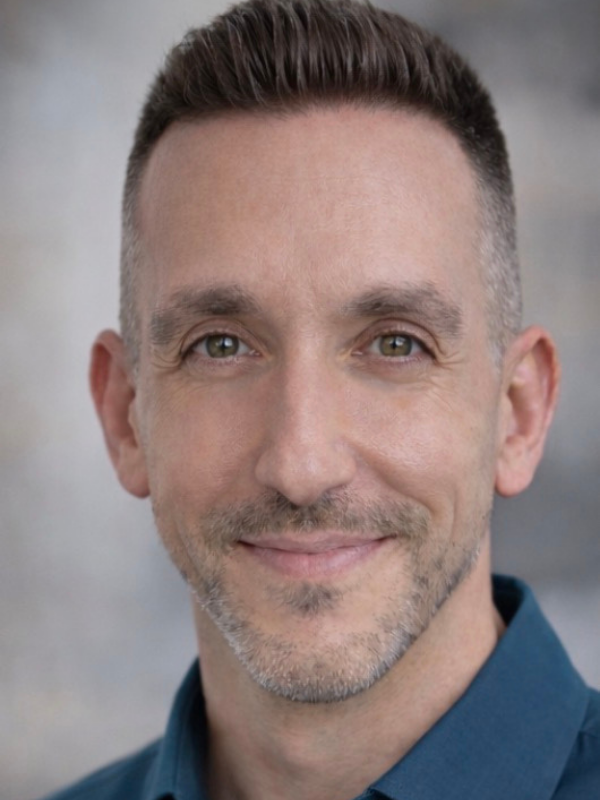
Brandon Palmer
MS, FT, FAAGC
Hospice and bereavement care
Brandon is a Hospice Bereavement Coordinator with Intermountain Health, where he provides bereavement counseling, education, and program development for hospice families throughout Salt Lake and Utah Counties. He has spent more than thirteen years in hospice and bereavement care, working with individuals and families after the death of someone close to them.
He holds a Master of Science in Thanatology from Edgewood College with a specialization in grief and bereavement counseling, and a Bachelor of Science in Religion from Liberty University. He is a Fellow in Thanatology through the Association for Death Education and Counseling and a Fellow of the American Academy of Grief Counseling. His work focuses on translating bereavement research into practical assessment, intervention, and education, which is the bridge between what the literature shows and what a standard can reasonably require.
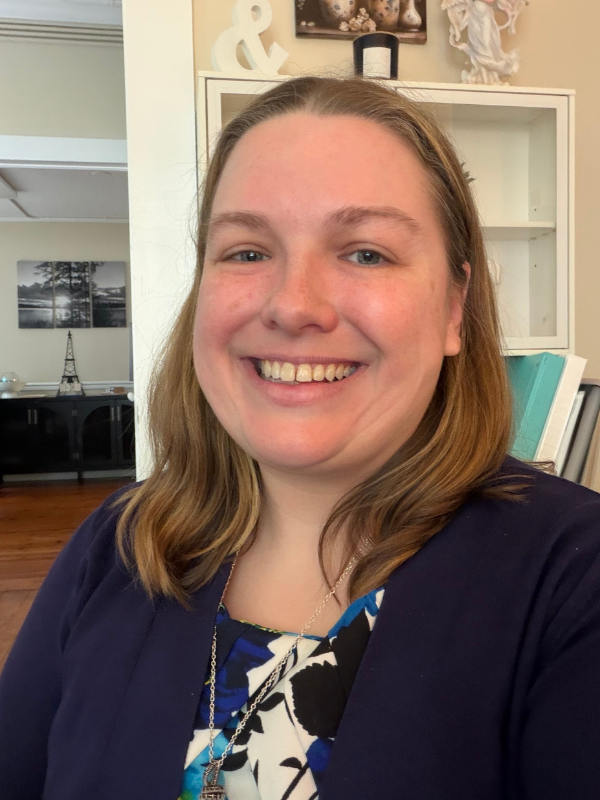
Tangela Cameron
MDIV, BCC, CT
Chaplaincy and spiritual care
Tangela is the Regional Bereavement Coordinator at Liberty HomeCare and Hospice in Wadesboro, North Carolina, where she leads grief and bereavement support for families, staff, and the surrounding community. She is an ordained Deacon in The United Methodist Church, a Board Certified Chaplain with the Association of Professional Chaplains, and a Certified Thanatologist with the Association for Death Education and Counseling.
Her work spans grief education, clinical spiritual care, staff support, and resource development, and she is pursuing a Master of Arts in Clinical Mental Health Counseling at Pfeiffer University. She brings the chaplain's perspective on grief that is spiritual as well as psychological, and on the boundary between the two.
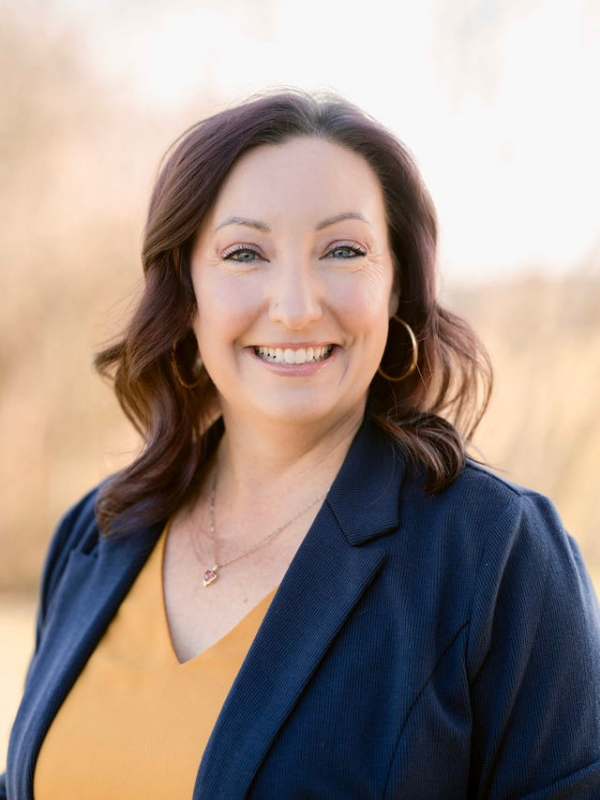
Heather Jones
CCH, Certified Life and Somatic Coach
Coaching practice and ethics
Heather is the founder of Heather Jones Coaching LLC, where she works with clients on lasting behavioral change through hypnosis, somatic techniques, and coaching. She is certified through the National Guild of Hypnotists and the Courageous Living Coach Certification program, and she is an Army veteran and military spouse.
She brings the working coach's view of how a standard lands in practice, which is what keeps requirements rigorous and still workable for the practitioners held to them.
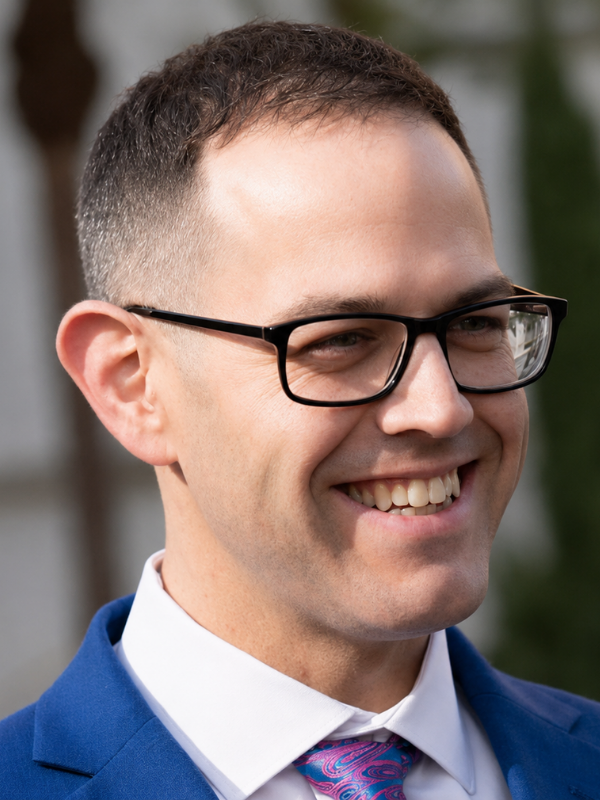
Adam Annable
MS, FT, CT, CFSP
Death care and grief education
Adam is a Fellow in Thanatology, Faculty Professor and Clinical Coordinator at North Shore Community College, Licensed Funeral Director (MA & NV), and a Certified Funeral Service Practitioner, with decades of experience working with grief and bereavement in health care, as well as death care. Adam turned to grief work early in his career, at a time when burnout set in, and he began to disconnect from his dream career as a funeral director. It was through studying and researching grief that he was able to reconnect with his passion for his career, with the families, clients and communities he serves, as well as with himself.
Adam holds a Master of Science in Thanatology from Edgewood University, a Bachelor of Science in Funeral Service & Mortuary Science from Mid-America College of Funeral Service, and a Bachelor of Science in Psychology from Salem State University. He presents his work on grief and death care internationally, and is an accredited Continuing Education Course Provider by the National Board for Health and Wellness Coaching (NBHWC) & the Association for Death Education and Counseling (ADEC).
He brings the death care perspective on grief, the point where families are met first and where the handoff to ongoing support either happens well or does not happen at all.
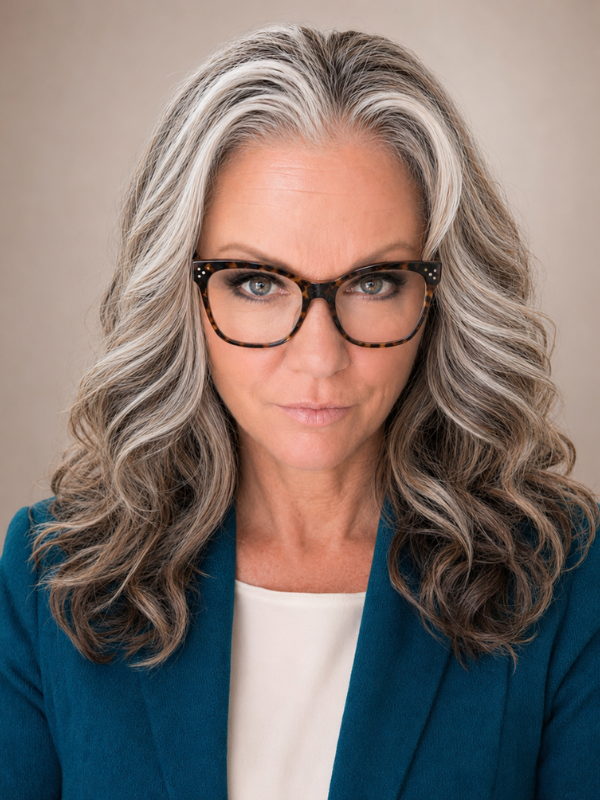
Michele Nusbaum
Executive function and coaching standards
Michele advises the board on executive function content: the attention, planning, and follow-through systems that grief most often disrupts. Grief rarely affects the emotions alone. It reaches into the systems a person relies on to focus, plan, and carry a task through, and Michele's work speaks directly to that intersection.
Michele founded the National Board of Executive Function Certification and developed the certification curriculum and examination for the Board Certified Executive Function Coach credential. Her experience building a defined standard and examination in an adjacent coaching field informs how the board approaches its own.
She brings the cognitive dimension of grief support: how a grieving person regains the capacity to organize, decide, and act.
With our thanks
Every member of this board does this work alongside a full professional life. They serve because a published standard for non-clinical grief support is worth maintaining, and because the people it serves are the people they already work with.
INBGC is grateful for their expertise, their judgment, and their willingness to keep the standard accountable to the people who do this work.
Service
Serving on the Advisory Board
Experienced professionals are invited to serve
Members shape what the credential requires, which means their judgment reaches every certificant who holds it and every grieving person a certificant supports.
The commitment is up to four standards-focused meetings a year, plus email review of proposed changes to the topic areas, the examination blueprint, the Code of Ethics, and the continuing education requirements. Terms are two years and renewable.
Members may not hold a commercial interest in candidate flow, and anyone who sells training to candidates is not eligible to serve.
Questions about the role: [email protected]